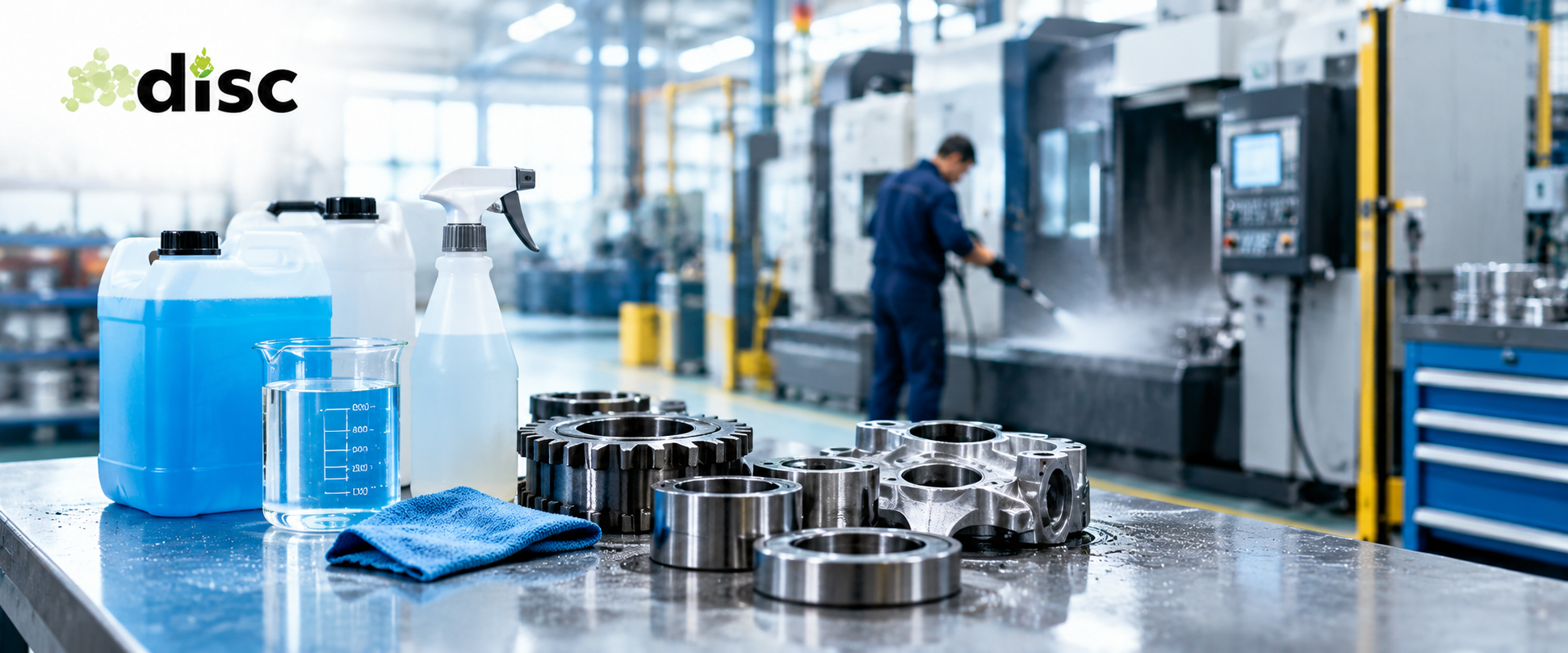
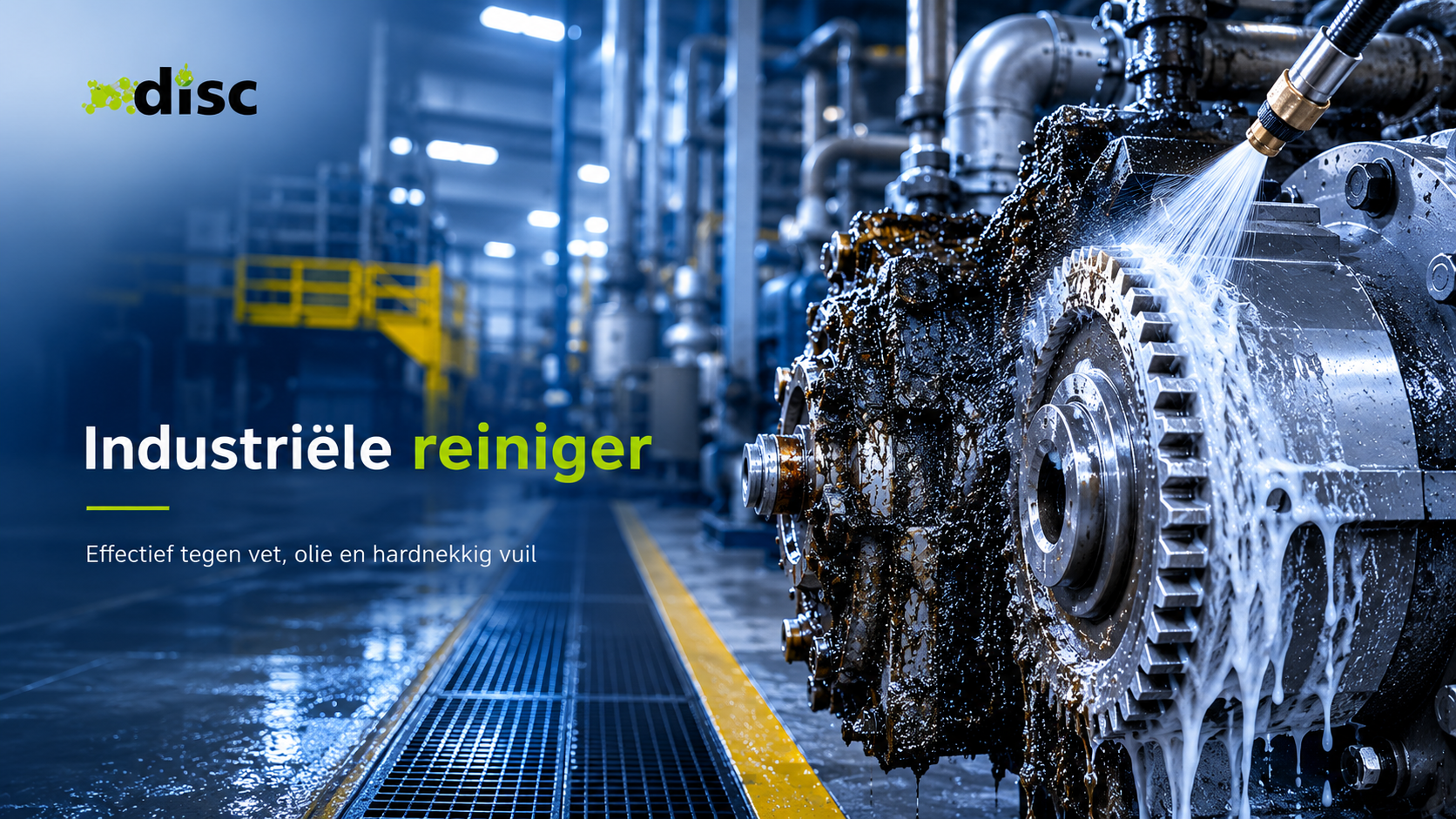
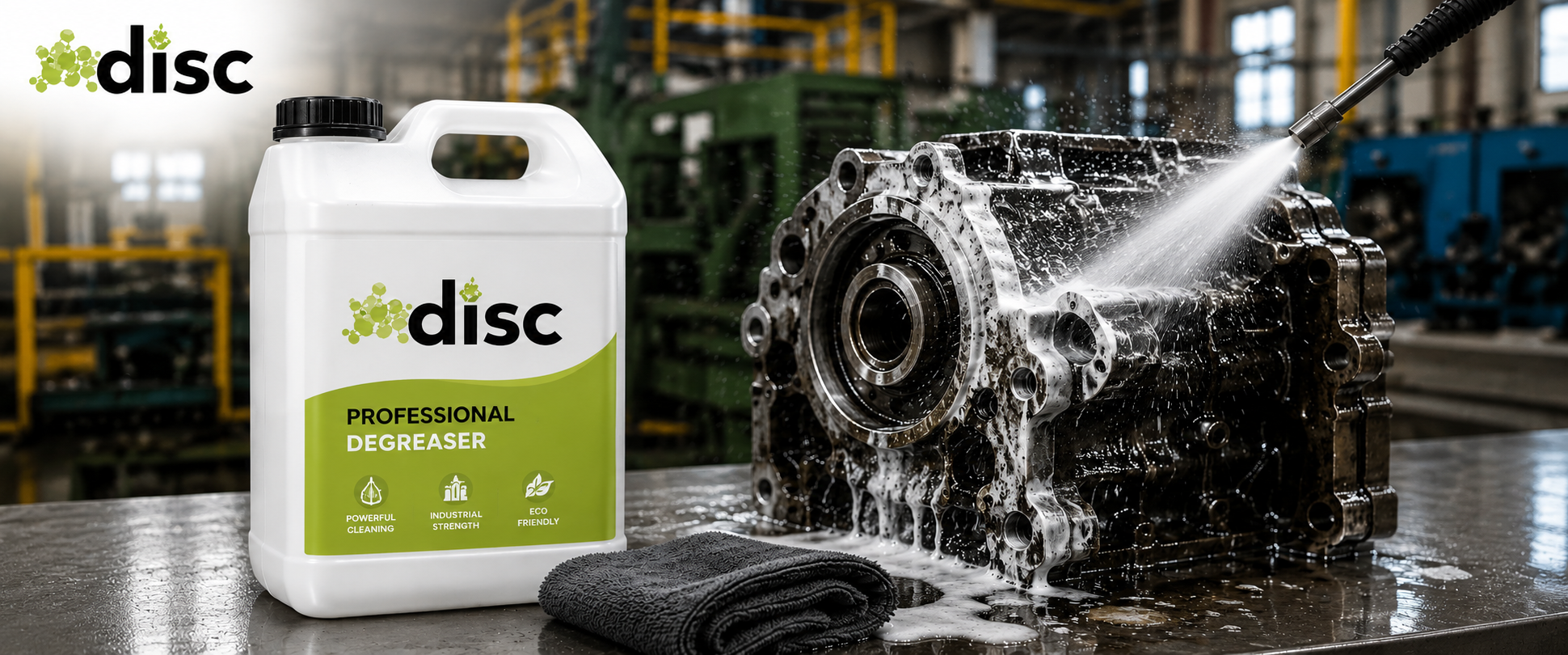
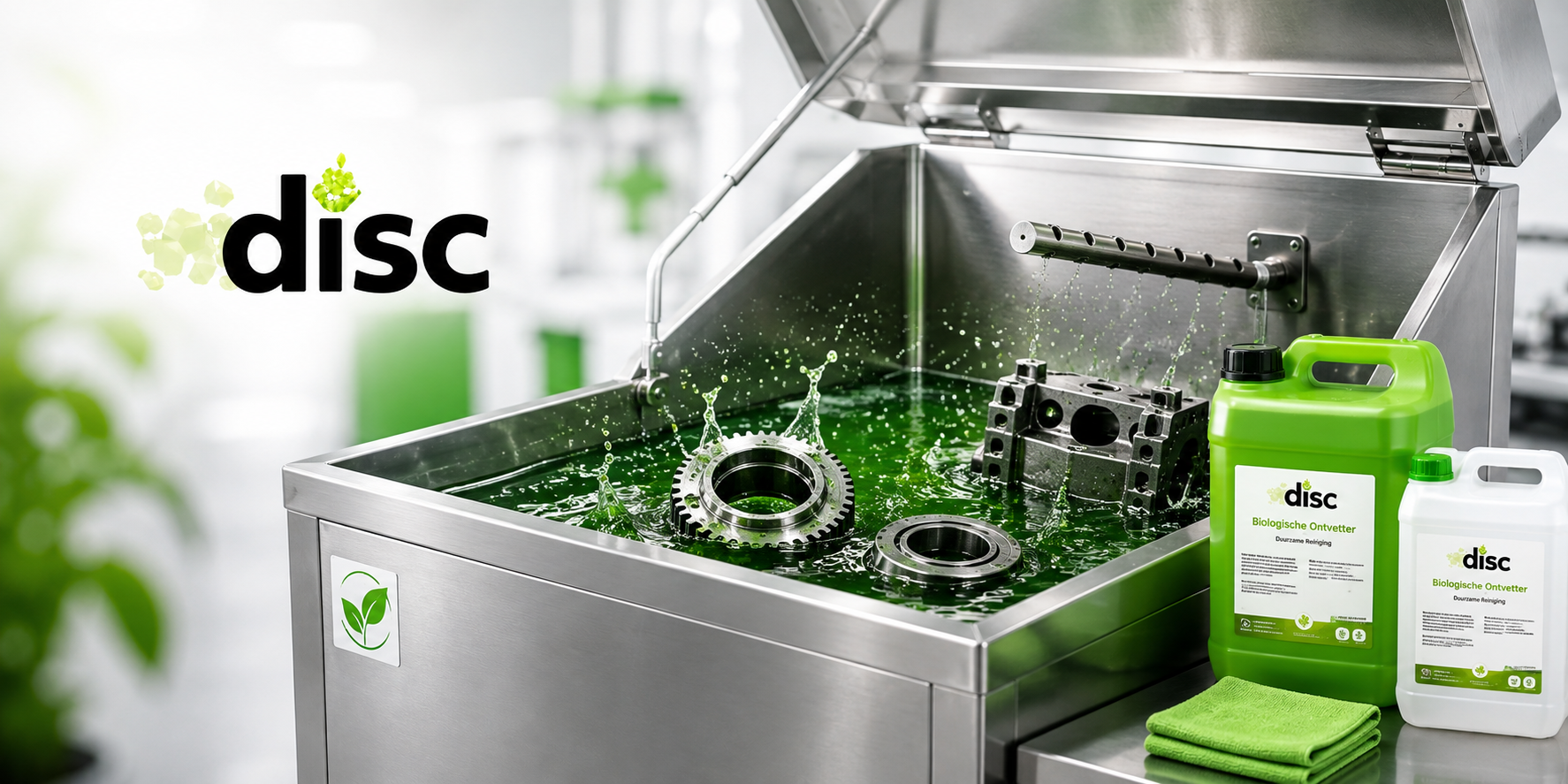
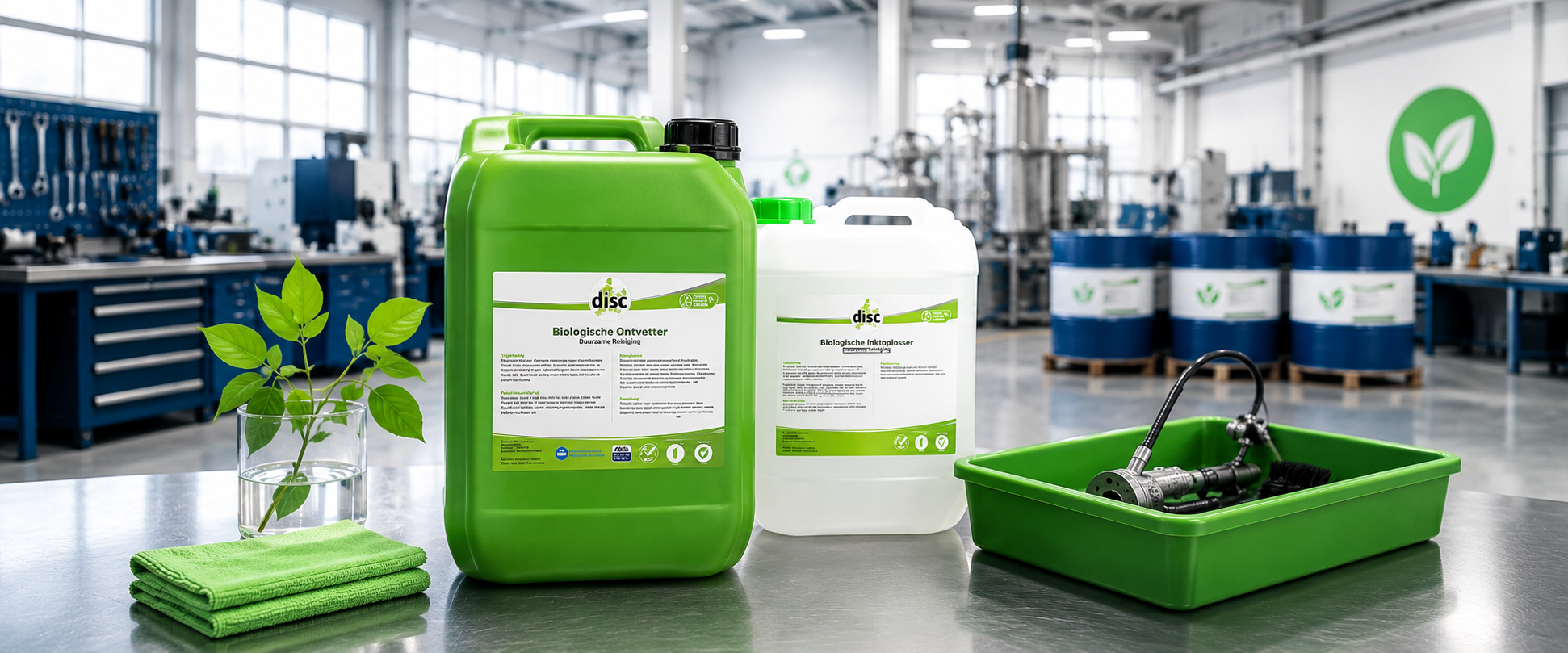
Grease build-up on industrial equipment, automotive parts, and shop floors can slow work down, especially if the wrong degreasing agent is used. Some degreasing agents produce a lot of foam which necessitates thorough washing with water. However, the non foaming cleaner is an ideal match for pressure washers and sprays systems as this type of cleaner is able to deliver satisfactory results without leaving any trace of foam. Understanding the differences between water-based and solvent-based degreaser formulas helps facility managers and cleaning crews pick a product that matches their equipment, safety needs, and budget.
What Is a Degreasing Agent?
A degreasing agent works by taking out oil, grease, wax, and hydrocarbon-based residues present on metals, plastics and hard surfaces. Most formulas fall into two families: water-based and solvent-based. Water-based products use surfactants and emulsifiers suspended in water to lift grease away, while solvent-based versions use petroleum distillates or synthetic solvents to dissolve it. Both types of degreaser show up across automotive shops, food plants, and industrial maintenance teams, but they behave very differently in odor, flammability, drying time, and environmental impact. Choosing between them usually comes down to the surface, local regulations, and how the residue will be rinsed away.
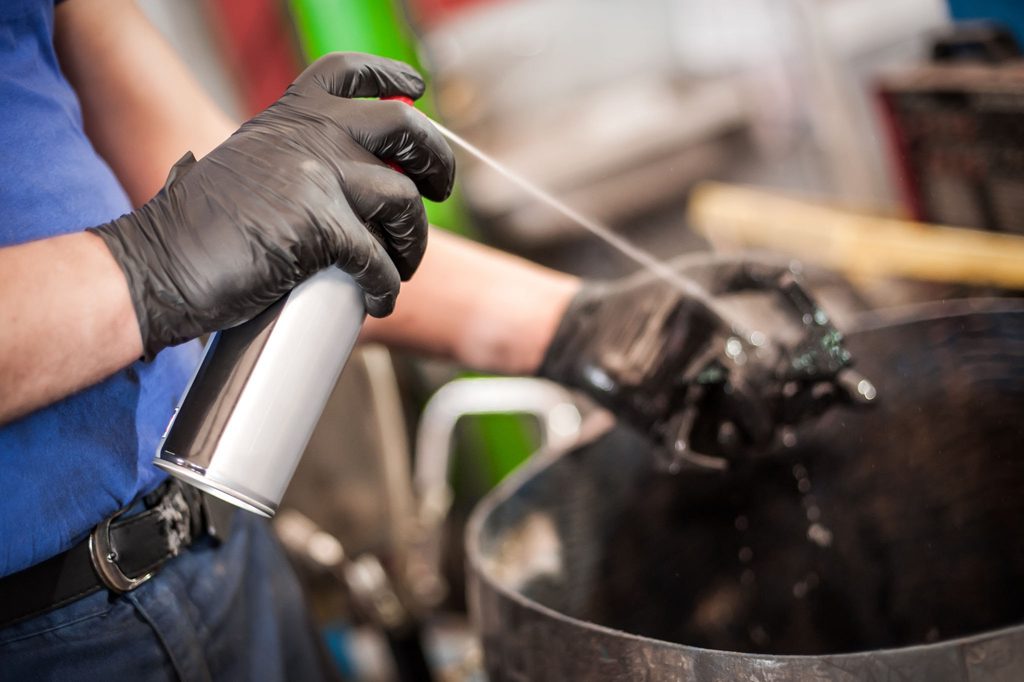
Why a Non-Foaming Cleaning Agent Matters in Water-Based Formulas
Water-based degreasers are usually formulated as a non-foaming cleaning agent so they can run through pressure washers, parts washers, and recirculating spray systems without clogging pumps or leaving suds on the rinse water. Excess foam traps soil, slows drainage, and can stress equipment seals over time. The best of the non-foaming cleaners is the one which requires less rinse water resulting in less water consumption and labor in those big volume jobs where a number of units, e.g., detailing bays or food processing facilities, are handled. Solvent-based degreasers rarely foam at all, since they don’t rely on surfactant chemistry, but they bring their own trade-offs around ventilation, flammability, and disposal.
Water-Based Degreasers: Strengths and Trade-Offs
Water-based formulas are popular because they’re typically low-odor, non-flammable, and biodegradable, making them easier to store under most fire codes. They perform well on light-to-moderate grease and everyday shop grime, and because they rinse cleanly without leaving a film, many facilities pair a water-based degreaser with steam cleaners or pressure washers for daily maintenance. The drawback is effectiveness, however: deep carbon deposits or hardened greasy stains require several applications or more extensive cleaning of the affected areas than is needed for using only a solvent chemical, and performance is also slowed down to a lower level by cold weather.
Solvent-Based Degreasers: Strengths and Trade-Offs
Solvent-based degreasers cut through heavy grease, tar, and carbonized oil almost instantly, which is why they remain common in engine bays, machine shops, and aerospace maintenance. They evaporate quickly, leave little to no residue, and many formulas double as a light rust-preventive coating on bare metal. However, this type of degreasing agent often contains volatile organic compounds that require proper ventilation, protective equipment, and careful disposal under local environmental rules. The global home and laundry care market, which includes many everyday cleaning formulations, is expected to generate roughly $208.94 billion in revenue in 2026, according to Statista’s Home & Laundry Care outlook — a sign of how much spending is shifting toward safer, lower-emission cleaning chemistry as regulations tighten worldwide. That trend is part of why more shops are testing water-based alternatives before committing to solvent-heavy processes.
Which Degreaser Fits Your Facility?
Facility managers increasingly want the cutting power of solvents paired with the safety profile of water-based cleaners, which is exactly the gap DISC Chemicals set out to close. Their catalog includes a non-foaming cleaning agent engineered for pressure-washing systems, parts cleaners, and CIP lines, so plants get strong degreasing without the foam, fumes, or fire-code headaches that come with traditional solvent products. For teams that still need solvent-strength cutting power on heavy carbon or tar deposits, DISC Chemicals also offers solvent-based formulas built for controlled, well-ventilated environments. Comparing samples side by side on your own equipment remains the most reliable way to confirm which chemistry delivers the cleanest result with the least downtime.
Key Takeaways
- Water-based degreaser formulas are virtually odorless, easily biodegradable and generally safe for storing but might need more time and thorough rubbing to get rid of heavy grime.
- The solvent-based degreasers effectively dissolve even the toughest grime deposits almost without hesitation but their use needs enough area space and extra caution during handling.
- A non-foaming formula protects pumps, seals, and recirculating systems while reducing rinse water use.
- Regulatory pressure and sustainability goals are pushing many facilities toward water-based chemistry, as reflected in current cleaning-products market data.
- Suppliers such as DISC Chemicals offer both formulation types, so facilities aren’t locked into one chemistry.
Final Thoughts
There’s no single “best” answer in the water-based vs. solvent-based debate – it all depends on the surface, the equipment, and the amount of cutting power a task demands. Usually, a non-foaming cleaning agent is most suitable for maintenance, spray systems, and facilities emphasizing safety and sustainability where the combination of performance and convenience is the desired outcome. For stubborn, heavy-duty deposits, a solvent-based option may still be necessary in controlled settings. Whichever direction fits your operation, working with an experienced supplier such as DISC Chemicals makes it easier to match the right formula to the right job.
Frequently Asked Questions
1. What’s the main difference between water-based and solvent-based degreasers?
Water-based degreasers contain surfactants in water, whereas solvent-based ones depend on petroleum or synthetic solvents to dissolve the contaminants.
2. Is a foam-free formula safe for pressure washers?
Absolutely, in fact, low foam products are ideal for pressure washers and systems that recycle the cleaning fluid as the presence of foams can lead to blockage of pumps and slow drain time.
3. Are water-based degreasers as effective as solvent-based ones?
Water-based degreasers clean light to medium grease quite effectively, but they might require a little more time after the application or repeat the process of cleaning when the stains are really tough.
4. Do solvent-based degreasers require special ventilation?
Usually, it is. Their volatile organic compounds (VOCs). mean they should be used in very well-ventilated places with the wearer taking on appropriate protective gear.
5. Which type is better for the environment?
In the main, water-based products break down more easily and have much less volatile organic compounds, thereby qualifying as environmentally safer products under the majority of current environmental regulations.