Industrial cleaning requirements are continually increasing in manufacturing, automotive and aerospace industries. As per the research by Statifacts, the global industrial degreaser market is projected to reach USD 24.67 billion in 2026. The data highlights the increasing demand for advanced cleaning systems and sustainable maintenance practices. Appropriate cleaning of parts not only leads to a longer life of the equipment but also minimizes the downtime, increases the efficiency, and ensures the safety of the workplace. No matter if you operate a small workshop or a large production unit, the use of an appropriate degreasing tank and effective cleaning techniques goes a long way in achieving cleaner parts and better results.
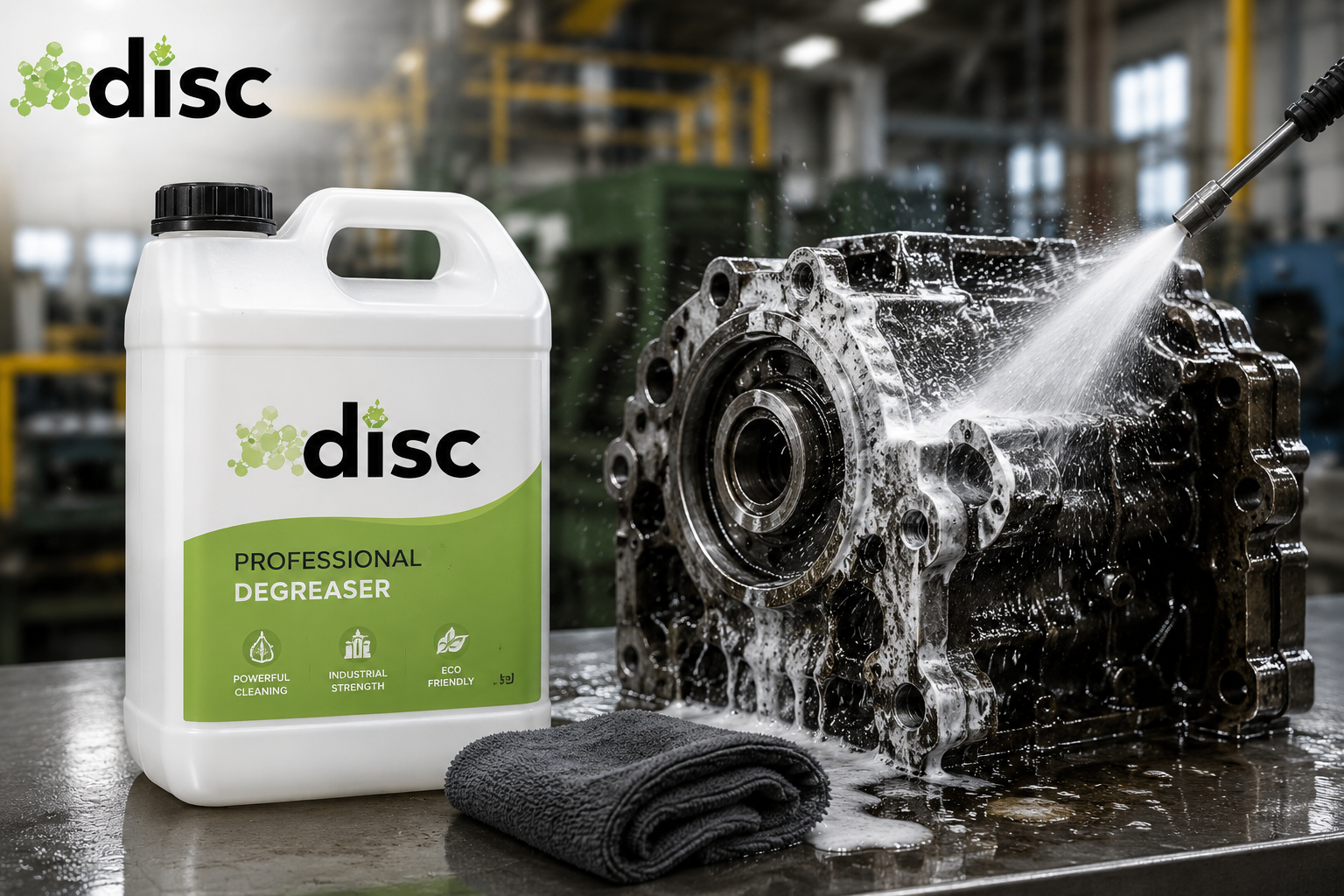
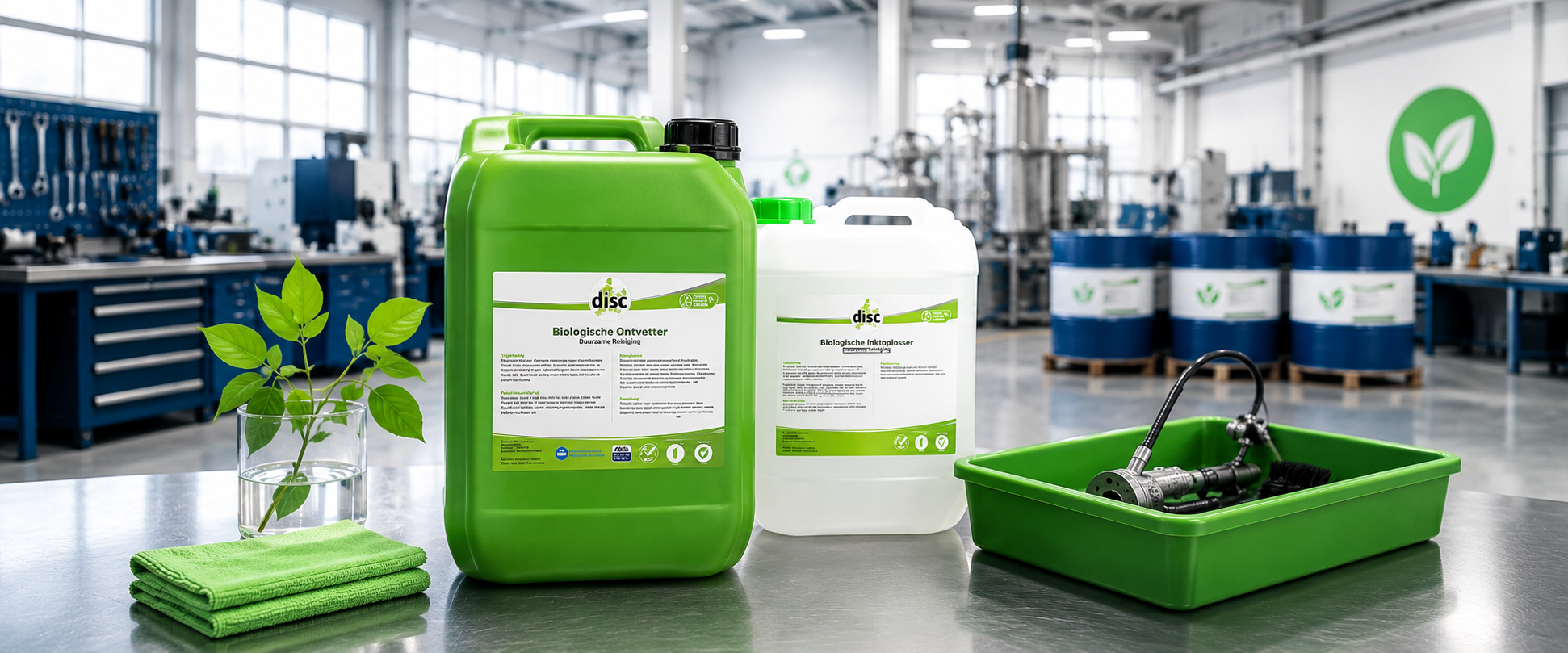
For companies that want dependable industrial cleaning options, DISC Chemicals presents high-quality products suitable for effective and environmentally friendly degreasing operations.
Why Effective Degreasing Matters
Grease, oil, dirt and metal particles are the enemies of the machines. If the parts get contaminated without a thorough cleaning, they might cause the machine to overheat, corrosion or even break down. Degreasing is very important if the components have to stay clean, safe and fit for assembly or operation.
Industries such as automotive manufacturing, aviation, and metal fabrication rely heavily on consistent cleaning standards. According to recent industry reports, automation and sustainable cleaning technologies are among the fastest-growing trends in industrial maintenance.
Essential Tools for Degreasing Parts
1. Solvent-Based Cleaning Systems
Solvent type cleaners are perfect for the elimination of even the most persistent grease and oil on metal surfaces. They are very efficient and among the fastest options of cleaning, especially in heavy industrial atmospheres. However, businesses should ensure proper ventilation and safety compliance when using solvent-based products.
Besides this, more and more producers are fusing solvent systems with filtration technology to not only boost the performance of the cleaning process but also to minimize the environmental impact.
2. Water-Based Cleaning Systems
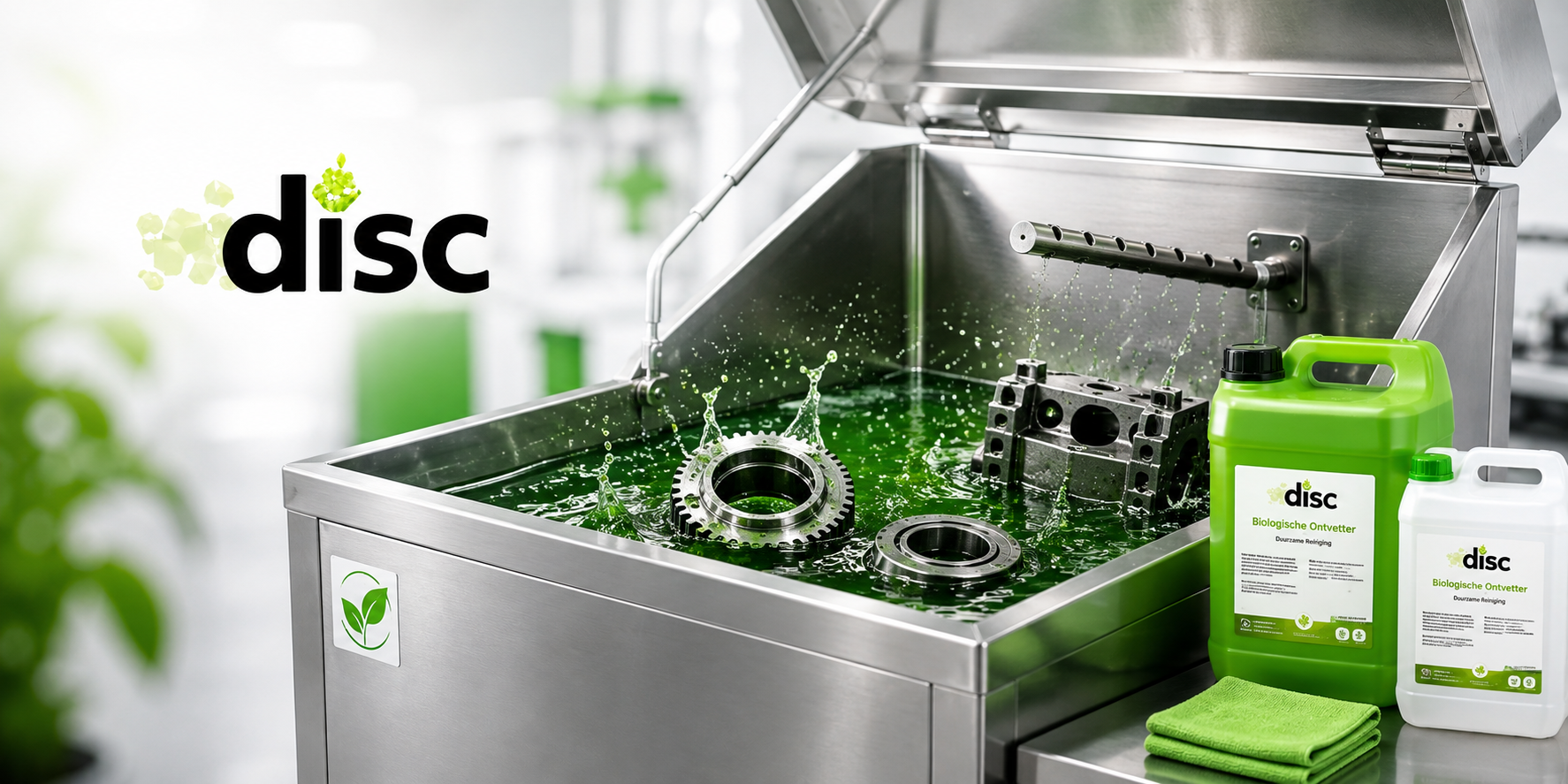
Water-based cleaning agents are very much favored nowadays due to their safety and nature-friendliness features. Such methods rely on the use of detergents coupled with hot water for the removal of dirt particles.
DISC Chemicals offers top-notch cleaning products that make a difference in the efficient yet sustainable industrial cleaning market without any trade-off of the top quality performance.
3. Ultrasonic Cleaners
Ultrasonic cleaning systems use high-frequency sound waves to remove dirt from hard-to-reach areas. They are especially useful for delicate parts with complex shapes or internal cavities.
It is widely used in the electronics, aerospace or precision engineering businesses due to its ability to produce very detailed cleaning results.
4. Manual Cleaning Equipment
Brushes, spray guns, and portable washers are still the best manual cleaning tools for small productions or spot cleaning. Manual cleaning is certainly more time-consuming and exhausting but it can handle each item differently and even the largest items.
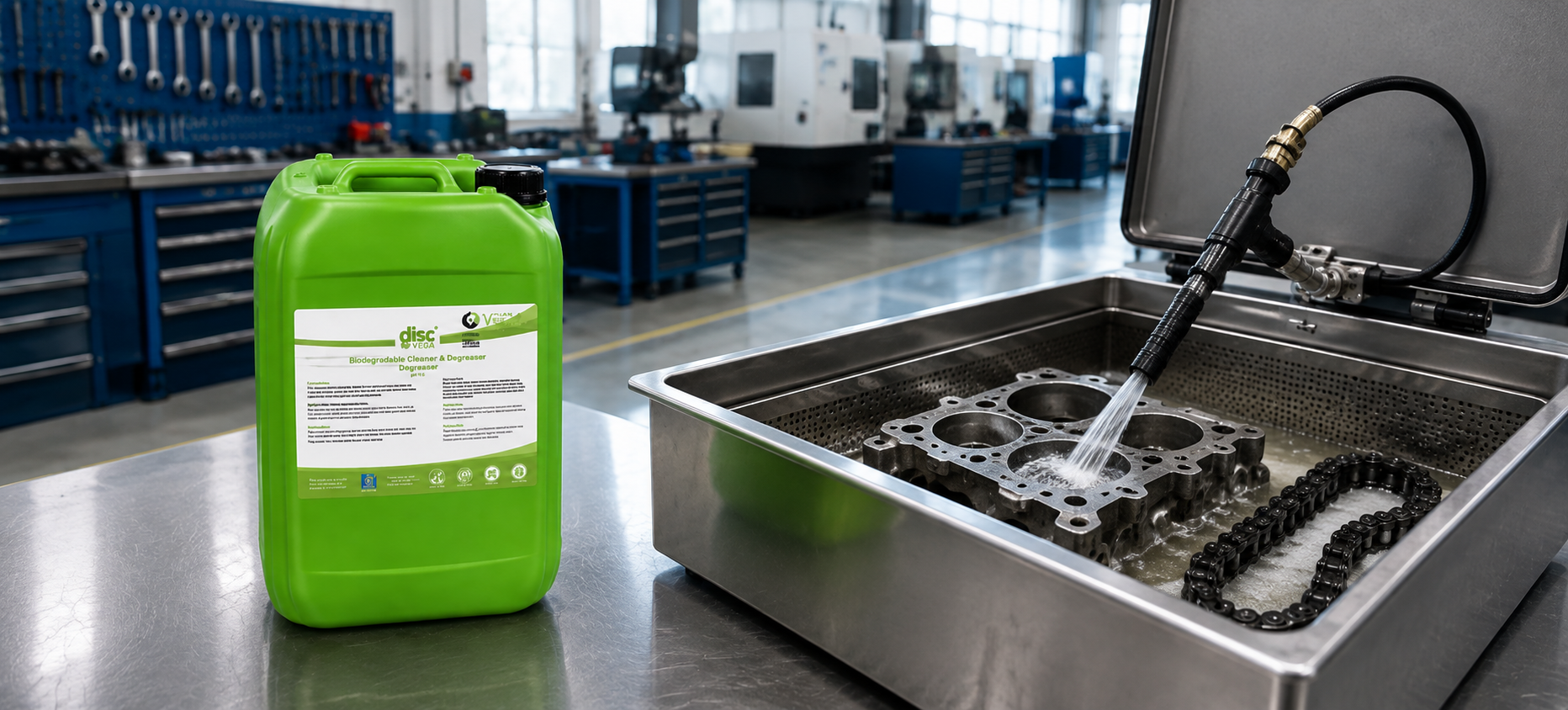
A properly selected degreasing tank can also improve manual cleaning performance by allowing parts to soak and loosen contaminants before final cleaning.
Effective Degreasing Techniques
- Pre-Cleaning Inspection
Before cleaning, inspect the part carefully. Different materials react differently to chemicals and temperatures. Aluminum, steel, plastics, and rubber components may each require specific cleaning methods.
- Use the Correct Temperature
Heat is known to make cleaning more effective by facilitating the removal of grease. Most industrial cleaning units are able to deliver high performance when the cleaning solutions are properly heated.
- Choose the Right Cleaning Agent
Not all contaminants require aggressive chemicals. A well-chosen solution will not only protect the parts but will also lead to better cleaning results. A company planning to buy degreasing tank equipment should also take into account compatible cleaning fluids and maintenance needs.
- Rinse and Dry Thoroughly
Only partial rinsing may lead to the problem of chemical residues remaining, which in turn can irritate and harm equipment functionality. Make it a habit to dry parts thoroughly as this will prevent rust or contamination during storage.
Automation and Eco-Friendly Trends in 2026
Modern facilities are increasingly investing in automated cleaning technologies. According to industry reports, sales of ecologically friendly degreasing products and water-based chemicals are booming, attributed to the tightened environmental laws and the green targets of various companies.
Besides that, automatic cleaning machines cut down labor costs and ensure uniformity of works done along different production lines. Manufacturers that are keen on enhancing their efficiencies generally opt for degreasing tanks equipped with automated systems for filtration and temperature regulation.
As a result of these changing needs in the industry, DISC Chemicals remains committed to producing the latest cleaning solutions specifically designed for modern manufacturing environments.
Key Takeaways
- Ideal degreasing makes equipment work better and minimize the wearing of parts.
- Picking the most suitable cleaning way is mainly determined by the nature of dirt and materials.
- In 2026, the trend is shifting towards water-based and environmentally friendly cleaning agents.
- By using automated cleaning systems, you can shorten the working time of your staff and get results more matching, without human fluctuations.
- Well-made cleaning products offered by DISC Chemicals are able to improve the productivity of cleaning in general.
Conclusion
Effective part cleaning is essential for maintaining productivity, equipment reliability, and safety. Ultrasonic systems, manual washing stations or any other cleaning tools and methods may vary, but choosing the right one can certainly lead to a significant improvement in the performance of your operations. By getting the appropriate degreasing tank and good quality cleaning chemicals, companies not only get better cleaning results but also reduce maintenance expenses in the long run.
Through advanced industrial cleaning products from DISC Chemicals, companies can make their activities more efficient in terms of cleaning and at the same time or even one step cleaner and safer in terms of sustainability.
FAQs
Q1. What is the best method for degreasing industrial parts?
Ans: The most appropriate method can vary, depending on the types of contamination and materials. For example, ultrasonic cleaning is a good solution for precision parts, whereas solvent or water-based cleaning can be more suitable for tough grease.
Q2. Are water-based degreasers effective?
Ans: Indeed, the latest water-based degreasers are really quite powerful and also green. Apart from being less harmful to health, they also align well with the overall sustainability targets of the industry.
Q3. How often should industrial parts be degreased?
Ans: With cleaning, less or more often is dictated by the usage and environment conditions of the machinery. For those machines that are used heavily, cleaning at frequent intervals would be necessary to keep the buildup from occurring and to retain the machine operating at its highest level.
Q4. What should I consider before purchasing cleaning equipment?
Ans: Before purchasing cleaning equipment you should consider the size of the cleaning workload, the type of materials to be cleaned so as to avoid damaging them through inappropriate means, features of automation, energy consumption, and also, maintenance requirements.
Q5. Why are automated cleaning systems becoming popular?
Ans: Automatically controlled systems deliver operational changes that, through greater efficiency, enable cleaning to be done with fewer cleaning agents and shorter time, so, overall, it is a cost-efficient process. There are additional benefits, including better performance in terms of meeting environmental cleanliness standards.