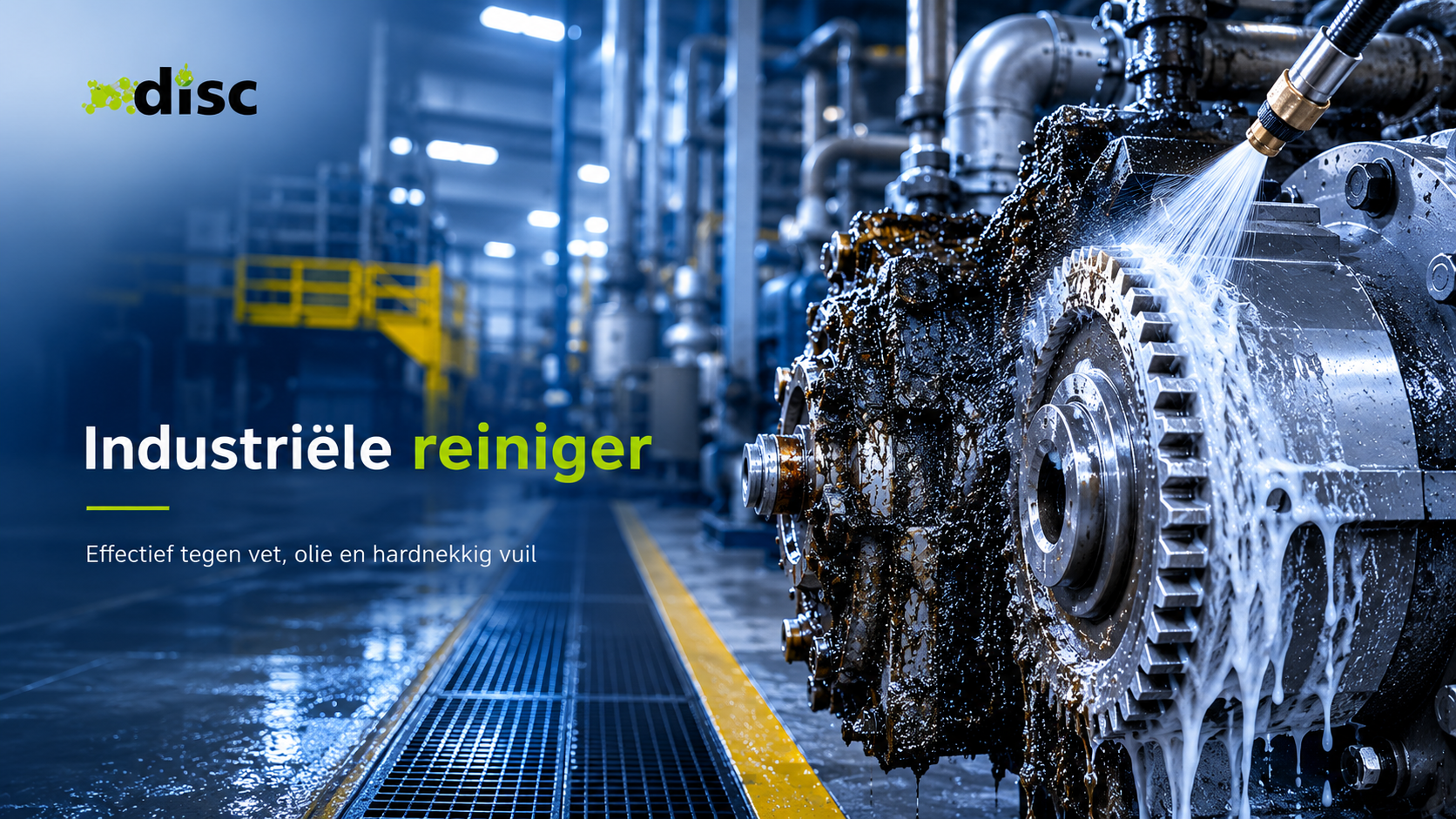
Grease build-up is a very common problem that plant managers and maintenance teams often struggle with. It disrupts machinery by making it clogged, causes production slowdowns, and at the same time increases the risk of slipping on factory floors. The good news: most grease accumulation is preventable once you understand its root causes and pair the right industrial cleaning agents with a consistent maintenance routine. Below, we break down why grease builds up in industrial settings, what it costs your operation, and how to choose a cleaning program that actually works.
Why Grease Build-Up Happens on the Factory Floor
Grease build-up rarely happens overnight. It is the result of small, repeated failures that add up over weeks or even months. Below are some of the most common causes:
- Over-lubrication: There is a common misconception among technicians that applying more grease than a bearing or motor require is more protective. What actually happens is that the excess grease gets piled up on housings, belts, and floors.
- Dust and airborne particulates: In manufacturing plants, dust and metal shavings combine with oil residue to create a sticky, abrasive layer that is difficult to remove with water only.
- Leaking seals and fittings: If seals and gaskets are worn or fittings are loose, lubricant escapes little by little and before anyone sees it, it has already coated the surrounding surfaces.
- Inconsistent cleaning schedules: Those facilities that clean only when they see that it is necessary, rather than sticking to a regular cleaning schedule, will have layers of grease that become so hard that it is almost impossible to get rid of them later on.
- Heat cycling: Machinery that is subjected to repeated heating and cooling deteriorates the lubricant’s viscosity, which causes it to separate and migrate to the nearby parts.
How the Right Industrial Cleaning Agents Stop Build-Up Before It Starts
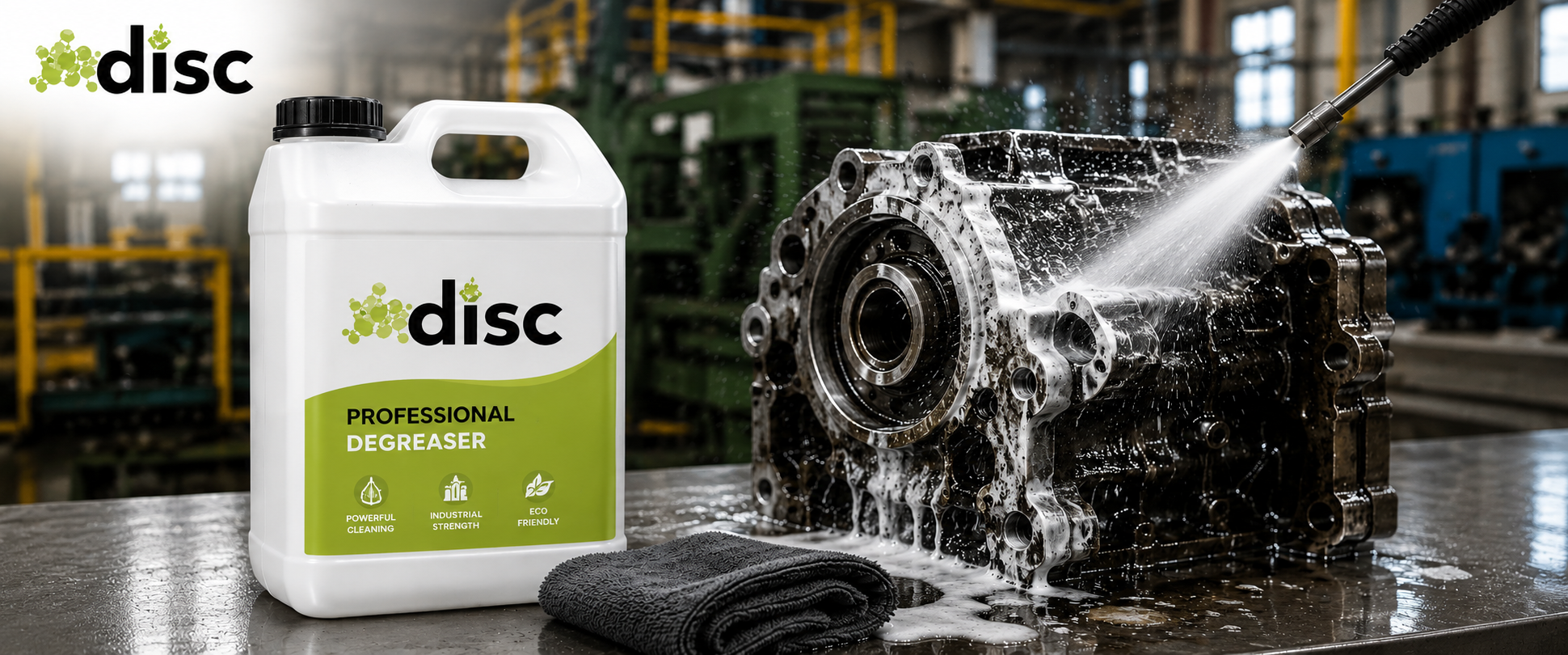
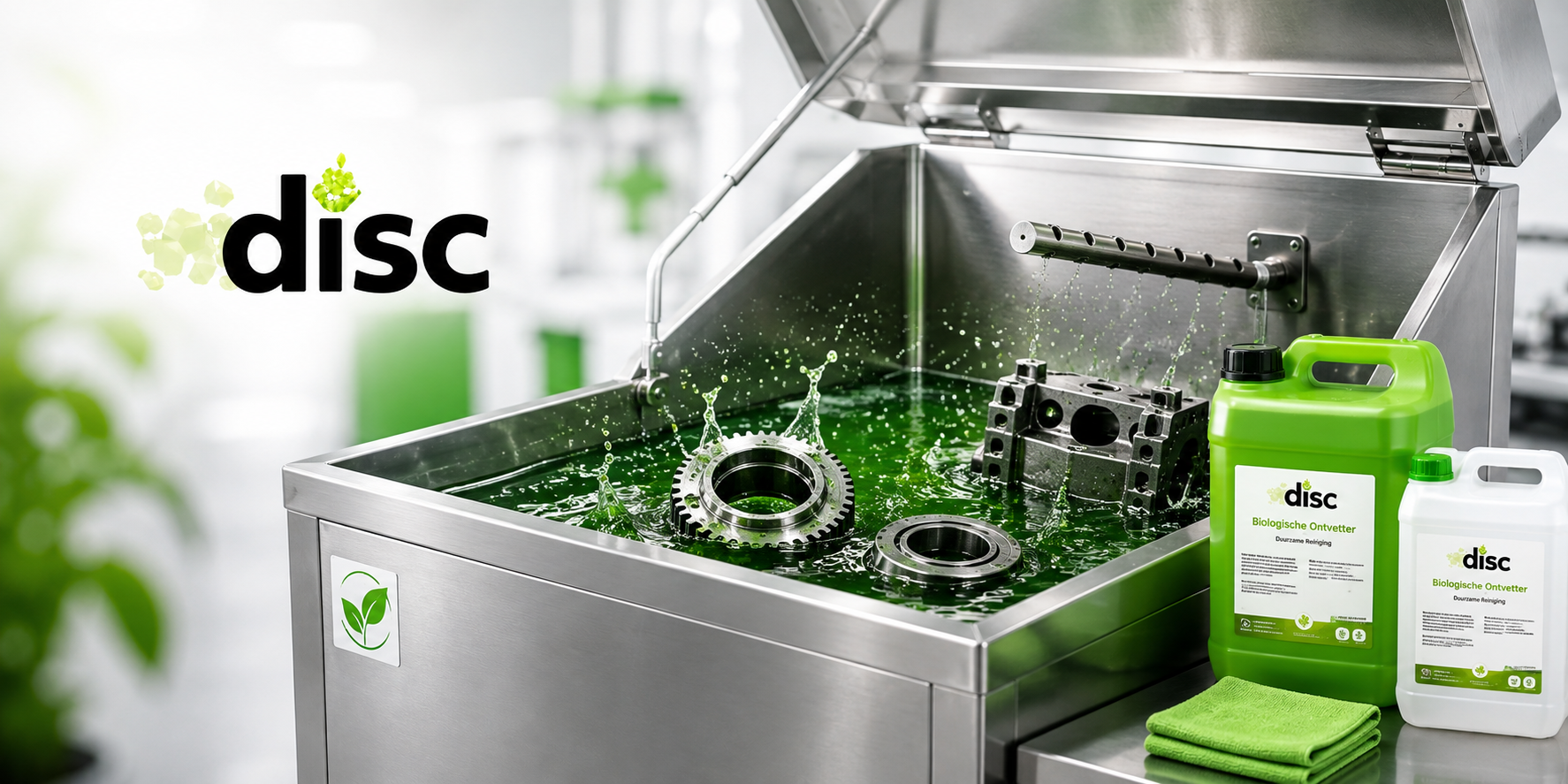
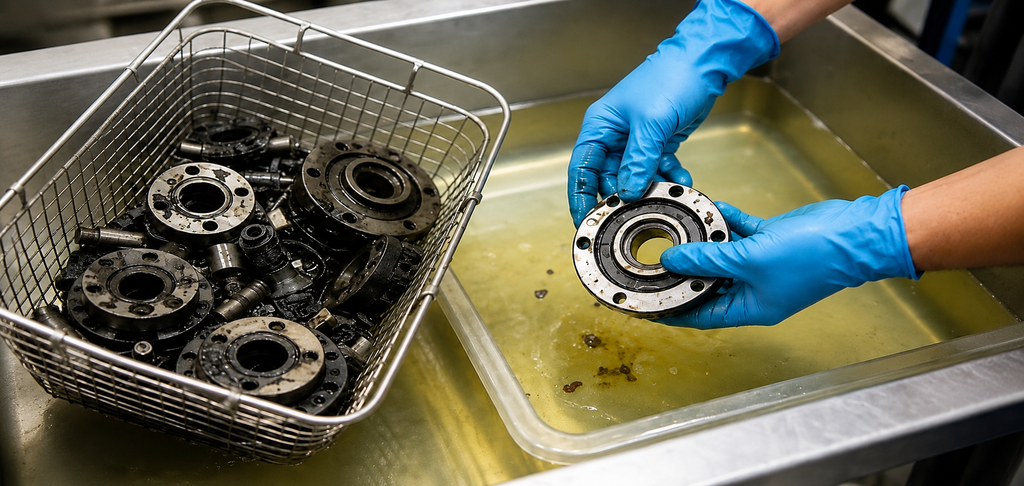
After grease has set on machine housings, conveyor belts, or floors, soap and water alone are not enough. In these situations, an industrial cleaning agents specifically designed for removing oil and grease make the difference. A well-formulated degreasing agent separates the molecular structure of grease and oil, thereby freeing them off metal, concrete, and plastic surfaces without harming the materials.
The best industrial cleaner for a certain facility depends on the kind of grease to be removed, the surface material, and whether a water-based or solvent-based cleaning agent is preferred. For example, food handling facilities require different degreasing agents from workshops which deal with heavy machinery and hydraulic oil.
The Real Cost of Letting Grease Accumulate
Grease build-up is not only a housekeeping concern, but also a factor that results in increased costs. As per the Wifi Talents report, over-greasing is directly linked to roughly 20% of motor failures, making it one of the most preventable causes of equipment failure. Factor in that unplanned downtime can cost manufacturers hundreds of thousands of dollars per hour, and prevention pays for itself many times over.
Moreover, grease build-up that is not controlled can increase the risk of slip-and-fall, it can attract dust and debris which will lead to faster wear, and it may be the cause of a citation during a workplace safety inspection.
Choosing an Effective Cleaning Formula for Your Facility
Not every degreasing agent performs the same way across every environment. When evaluating industrial cleaning agents for your plant, look for:
- Surface compatibility: Make sure the product does not harm the metals, plastics, or coatings when used in your facility.
- Grease type match: Petroleum-based, synthetic and food-grade lubricants react differently to cleaning chemicals.
- Compliance: Pick an industrial cleaner that complies with the necessary safety and environmental regulations of your industry.
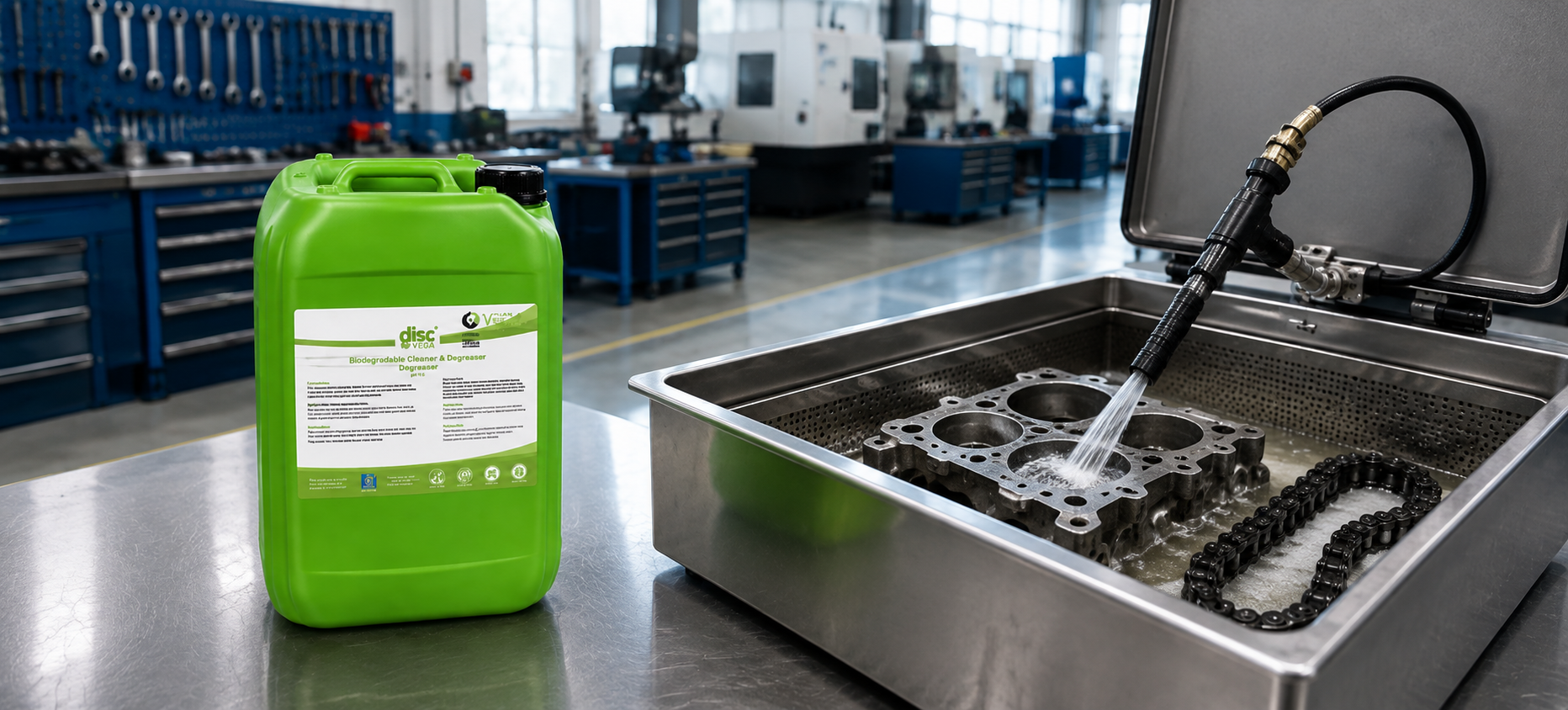
- Application method: Some formulas work best as a spray, others as a soak or foam for vertical and hard-to-reach surfaces.
Disc Chemicals formulates its degreasing range around these exact variables, so facilities aren’t stuck retrofitting a one-size-fits-all product to jobs it wasn’t built for.
Why Disc Chemicals Is the Industrial Cleaner Manufacturers Trust
Disc Chemicals has built its reputation supplying facilities across the Netherlands and Europe with industrial cleaning agents engineered for real-world grease and grime, not just lab conditions. Every degreasing agent in the Disc Chemicals lineup is developed to cut through baked-on residue while staying gentle on equipment surfaces and safer for your maintenance crew to handle.
Whether you’re managing a food processing line, an automotive workshop, or a heavy manufacturing plant, working with a proven industrial cleaner supplier means fewer callbacks, less downtime, and cleaning results that actually hold up between shifts. You can review the full product range and request a quote.
Conclusion
Grease build-up is preventable, but only if you address its root causes with a proactive plan rather than reactive scrubbing. Performing regular inspections, using correct volumes of lubricants, and having a trusted rotation of industrial cleaning agents help maintain your equipment running clean, safe, and that way for a long time. If your current cleaning program isn’t holding up, reach out to the team at disc chemicals to find a formula built for your facility’s real conditions.
Key Takeaways
- Grease build-up is usually caused by over-lubrication, dust contamination, leaking seals, irregular cleaning schedules, and heat cycling.
- Over-greasing itself accounts for about 20% of motor failures, as per recent 2026 maintenance data.
- Ordinary cleaning products are not able to degrade hardened grease as efficiently as specialized formulations do.
- Choosing the correct cleaning chemical depends on the type of grease, surface material and the requirement of regulatory compliance.
- A reliable supplier rescues you from doing experiments and having to shut down again.
Frequently Asked Questions
1. How frequently does industrial equipment have to be cleaned to prevent grease accumulation?
Majority of the facilities support weekly spot cleaning and monthly deep degreasing, however, heavily used equipment might require more frequent cleaning.
2. Can grease build-up damage equipment even if it’s still running?
Yes. In fact, grease keeps dust and heat in contact with the parts that move which can significantly increase the wear and tear resulting in shorter lifespan for bearings, motors, and seals.
3. Is a solvent-based or water-based cleaner better for heavy grease?
This is a case of it depending on surface and grease type; solvent-based products may be more efficient in the removal of heavier residues, on the other hand, water-based products are more suitable for sensitive surfaces and food-grade areas.
4. Is it alright for workers to use professional-grade cleaning products?
Well known formulas aim to protect workers, nonetheless, a well ventilated area, gloves and the product’s safety data sheet must be thoroughly followed.
5. How do I know which product fits my facility?
The best way is to talk about your equipment, surfaces, and grease type with your supplier so that they can give you a recommendation that will suit your needs perfectly.